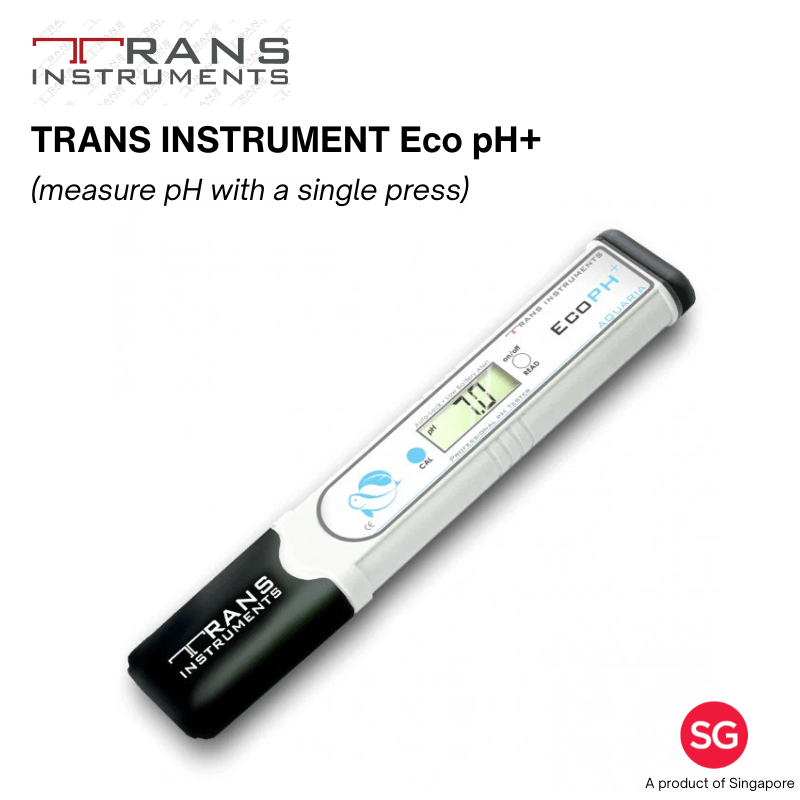
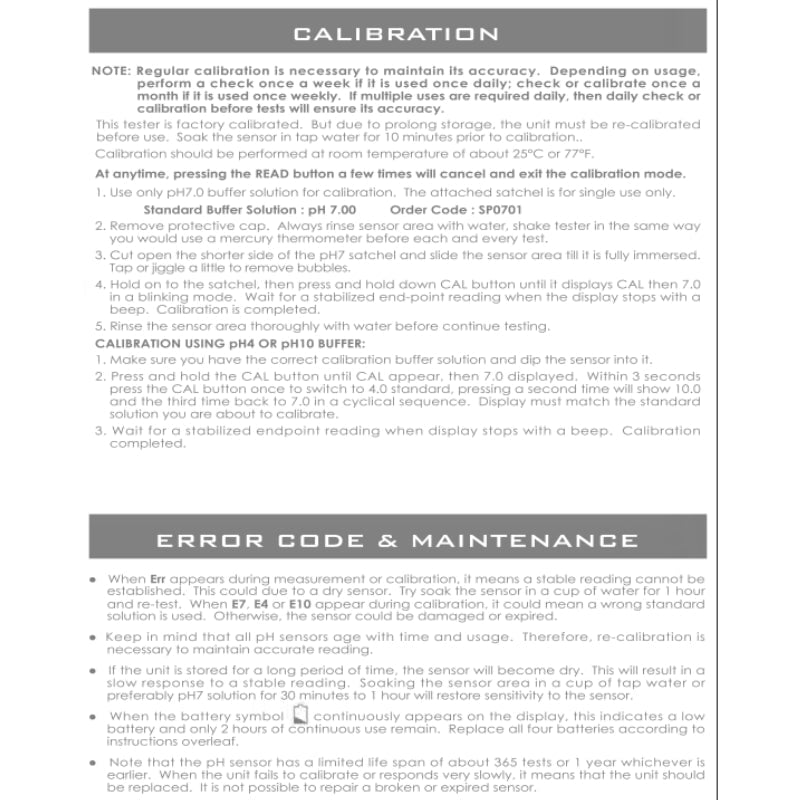
TRANS INSTRUMENT Eco pH+ pen (pH test)
Original price was: $85.00.$25.50Current price is: $25.50.
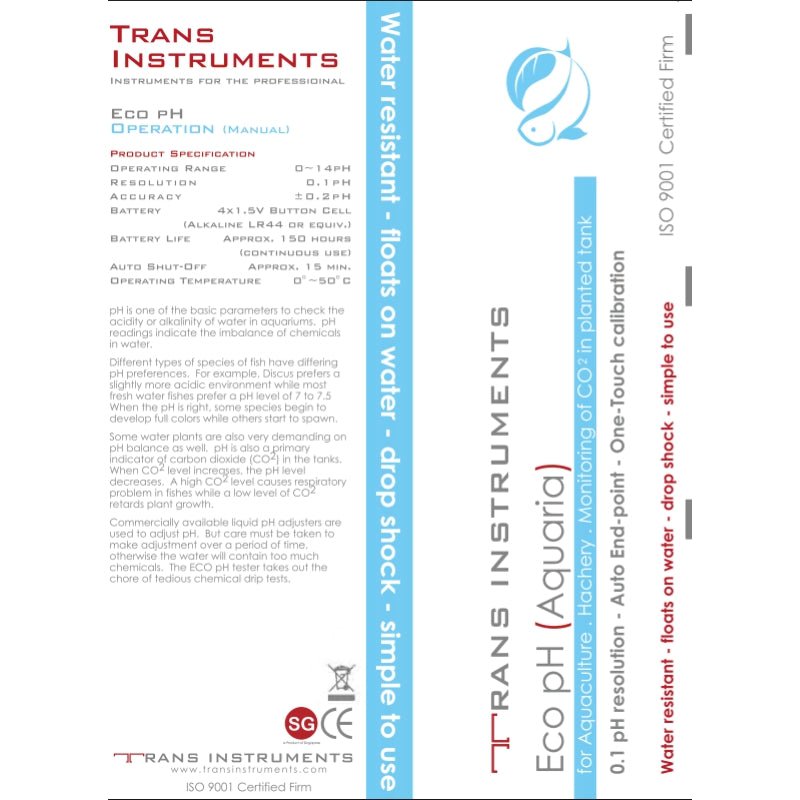
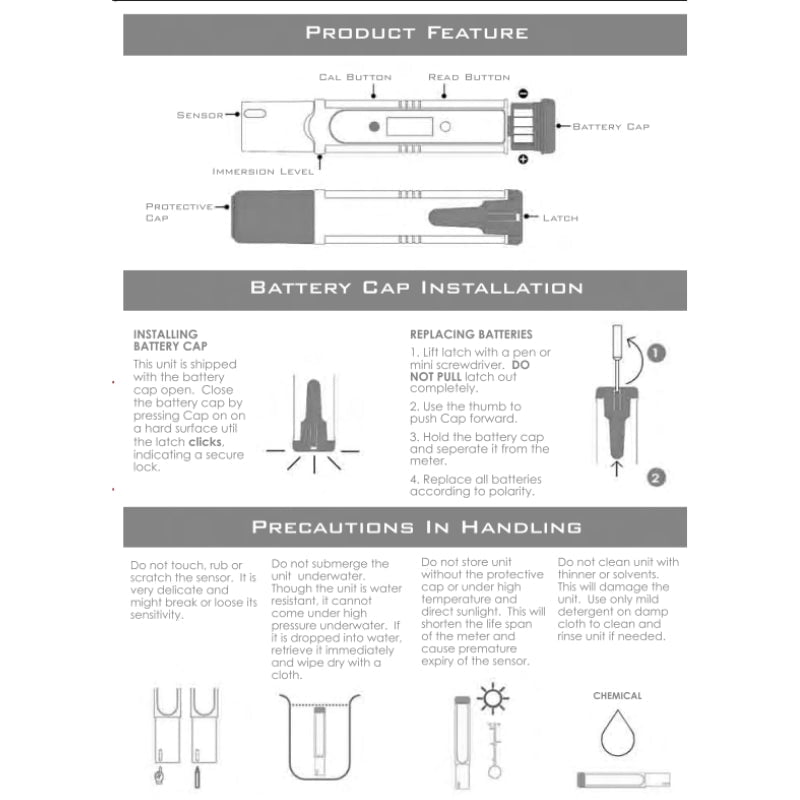
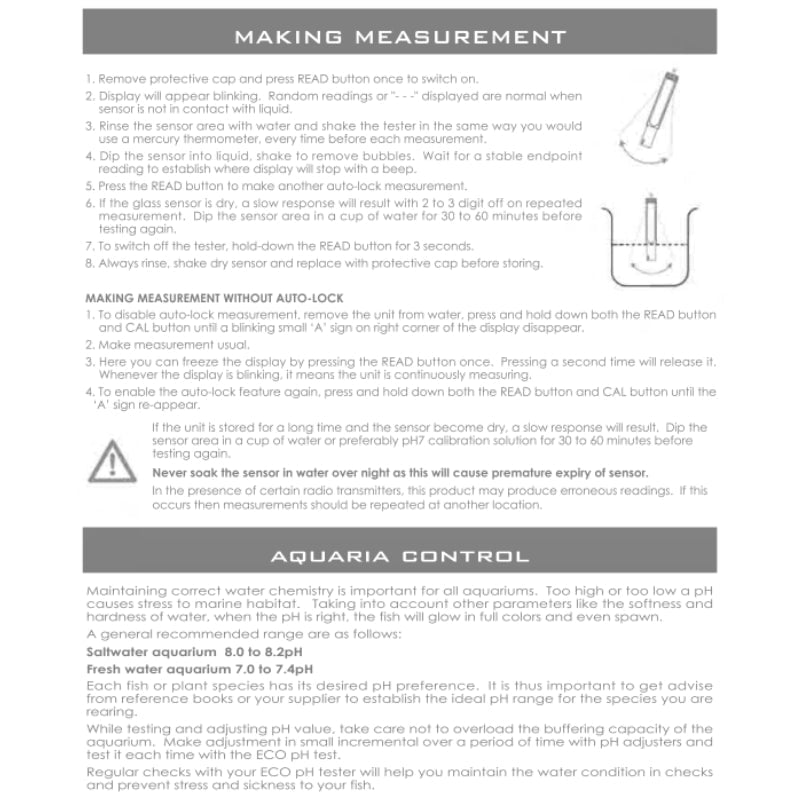
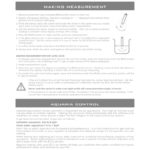
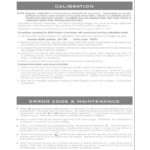
Eco pH+ (Aquaria, Aquaculture) Pre-Calibration ECO pH+ is specially designed for Aquaria and Aquaculture. This meter lets you perform pH tests on aquaria water easily, accurately, and directly displays results in digital reading. No more color comparisons or dripping with color test kits. Because of the chore of such test kits, overdosage results while adjusting water pH, thus loading the water with harmful chemicals. With the use of ECO pH+, the user is able to make multiple tests per day, between small dosages for water adjustment. Most importantly, small water adjustment dosages will not shock the fishes which can result in fatalities. With such convenience and assurance, the ECO pH+ far surpasses the many tedious tests of cheaper liquid test kits. It is certainly value for money! Recommended pH Ranges for Common Aquarium Fish Why Testing pH in Your Aquarium Matters ? Maintaining the right pH level in your aquarium is essential for the health and longevity of your aquatic life. pH measures how acidic or alkaline the water is, and even slight imbalances can stress fish, disrupt biological processes, and affect the effectiveness of medications or filtration systems. Key Reasons to Test pH Regularly: Fish Health & Stress Reduction: Fish are sensitive to pH fluctuations. An unsuitable pH can cause stress, weaken immune systems, and lead to disease. Biological Stability: Beneficial bacteria that break down waste thrive within specific pH ranges. A stable pH supports a healthy nitrogen cycle. Compatibility: If you keeping multiple species, knowing their preferred pH helps you create a harmonious environment. Water Source Variation: Tap water pH can vary by region and season. Regular testing ensures consistency. Early Problem Detection : Sudden pH shifts can signal issues like overfeeding, decaying matter, or malfunctioning equipment. Recommended pH Ranges for Common Aquarium Fish Fish Type Ideal pH Range Notes Betta 6.5 – 7.5 Prefer slightly acidic to neutral water Neon Tetra 6.0 – 7.0 Thrive in soft, acidic conditions Guppy 7.0 – 8.0 Adaptable but prefer alkaline water Angelfish 6.5 – 7.5 Sensitive to sudden changes Goldfish 7.0 – 8.4 Prefer hard, alkaline water Discus 6.0 – 6.5 Require soft, acidic water for optimal health Cichlids (African) 7.8 – 8.6 Prefer hard, alkaline environments Corydoras Catfish 6.0 – 7.8 Peaceful bottom dwellers, adaptable Mollies 7.5 – 8.5 Thrive in brackish, alkaline water How Often Should You Test pH in Your Aquarium? For Most Home Aquariums: Weekly Testing is ideal for stable, mature tanks. Twice Weekly if you’ re adding new fish, adjusting water chemistry, or using medications. During Critical Periods: Daily Testing is recommended: After water changes When introducing new fish If fish show signs of stress (e.g. gasping, erratic swimming) When adjusting pH with buffers or conditioners For Planted or High-Tech Tanks: 2-3 Times a Week, especially if you're injecting CO?, which can lower pH throughout the day. For New Setups (Cycling Tanks): Every Other Day to monitor fluctuations and ensure a stable environment before adding fish Advanced features: One-Touch Calibration Effortless calibration with a single press of the button. Always calibrate accurately! Automatic Endpoint Reading & Calibration Eliminates guesswork! The unit automatically locks to an endpoint reading during each test and calibration. Beep Function Audible beep with every press of the button and long beep on every completed function and end-point reading.
Related products
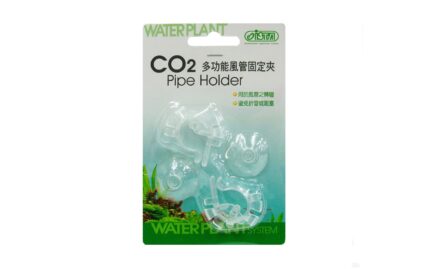
ISTA CO2 Air Pipe Holder
$10.99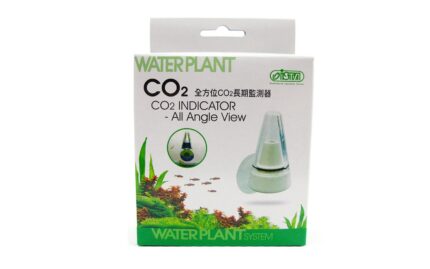
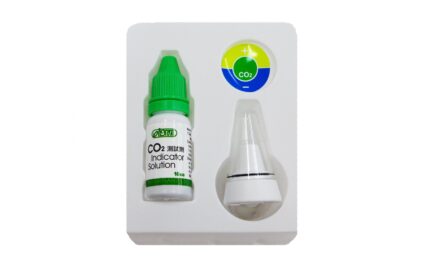
ISTA CO2 Indicator
$10.99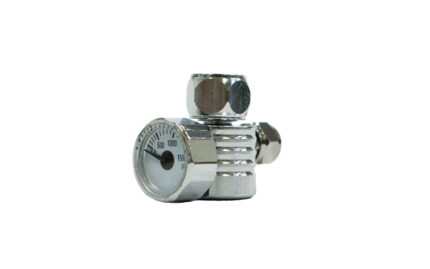
ISTA CO2 Regulator with single pressure meter
Original price was: $40.00.$12.00Current price is: $12.00.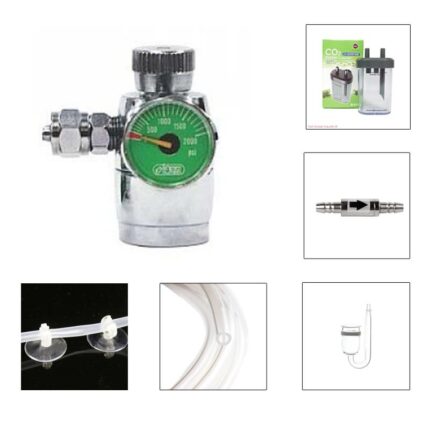
ISTA I-584 Co2 Regulator Set (No Solenoid)
Original price was: $179.10.$53.73Current price is: $53.73.